Nepal disaster aid needs a connected household view, Onlinekhabar argues
The piece says relief and social protection should work as one system after shocks, not as scattered programs.
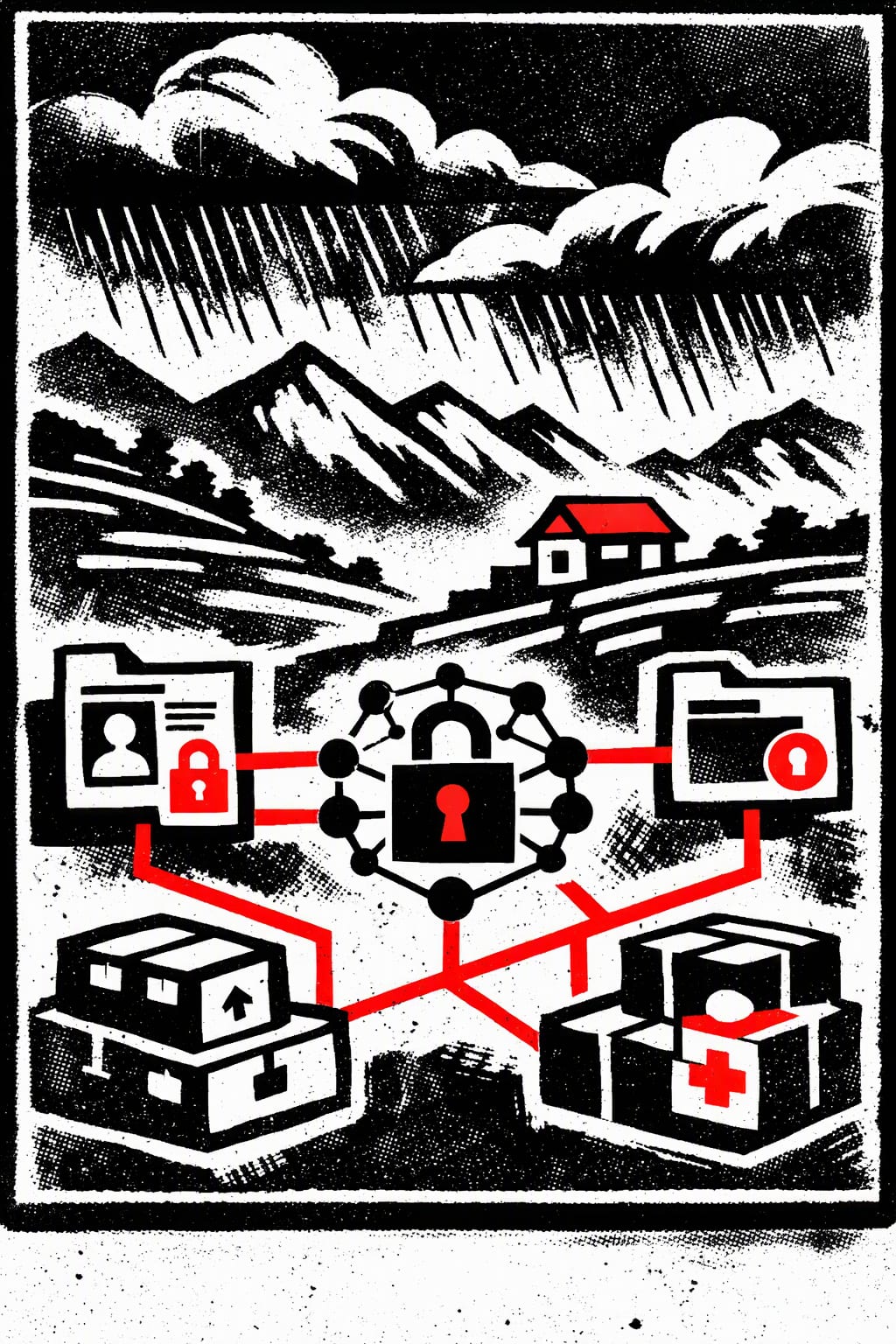
Onlinekhabar frames Nepal’s disaster challenge as bigger than first-wave relief: floods, landslides, earthquakes, fires, epidemics and other hazards can hit homes, income, schooling and health at once. The article says Nepal’s Disaster-Sensitive Social Protection and Relief Distribution Standard, 2081 opens a policy lane to connect disaster relief with social protection. Nepal already runs programs across allowances, health, education, agriculture, employment, insurance, housing and reconstruction, but Onlinekhabar says data often sits inside separate institutional systems. Its proposed fix is not one giant database. It is a household-centred, privacy-aware model: “One Person. One Household. One Location. One Shock Event. One Connected Case,” with authorised data exchange, access controls, encryption, audit trails, delivery tracking and grievance management.
Why it matters: For Nepal-focused readers in the DMV, this is the governance layer behind the emergency headlines: faster, better-coordinated aid depends on whether institutions can safely connect the right information. The tech angle is real too: interoperability only helps if privacy and citizen rights are not treated as optional.
Sources
This post summarizes reporting by the outlets above; read them for the full story. Fact-checked against the sources before publishing. Corrections: ashik@ashik.ai